


Spanner in the Works: Why the Aircraft Engineer and Technician Shortage Still Threatens Aviation in 2025
Updated: Apr 22
The aviation sector has spent the past few years focused on recovery. Airlines, MROs, and OEMs have been rebuilding capacity, responding to increased demand, and expanding operations following the post-pandemic resurgence.
Yet, a persistent and under-addressed issue continues to hinder progress across the industry: the aircraft engineer shortage, particularly among licensed engineers and maintenance technicians.
In 2023, we published a white paper exploring this growing challenge, examining root causes such as an ageing workforce, limited training infrastructure, and increasing competition for engineering talent from outside the sector. At the time, the lasting impact of COVID-19 was still being felt across technical workforces worldwide.
Now, in 2025, the situation remains critical.

Aircraft fleets are expanding, new technologies are entering service, and maintenance demand continues to rise. However, the teams responsible for ensuring airworthiness across operators, MRO providers, and manufacturers are struggling to keep pace.
At AeroProfessional, we continue to see these challenges reflected in hiring activity and client conversations across the industry. Engineering and technician roles remain among the most difficult to recruit for, particularly those requiring B1 and B2 licences. Employers are facing increased competition, longer time-to-hire, and a shrinking pool of experienced candidates.
Several persistent factors are contributing to this shortfall:
Many engineers who left during the pandemic have not returned
Younger generations are hesitant to enter the profession due to long qualification timelines, high training costs, and job security concerns
Training capacity and funding have not scaled to match demand
Other sectors, such as defence, tech, and energy, continue to attract engineering talent away from aviation
The effects are now being felt across the industry. Delays, increased maintenance costs, and pressure on existing teams are becoming more common among operators and service providers.
While pilot and cabin crew shortages often receive more public attention, the lack of engineers and technicians is emerging as one of the most significant threats to aviation’s operational stability.
Addressing this challenge will require more than short-term hiring activity. The industry must invest in future-proofing its technical workforce, widening entry pathways, modernising training approaches, and building more visible, attractive career pathways.
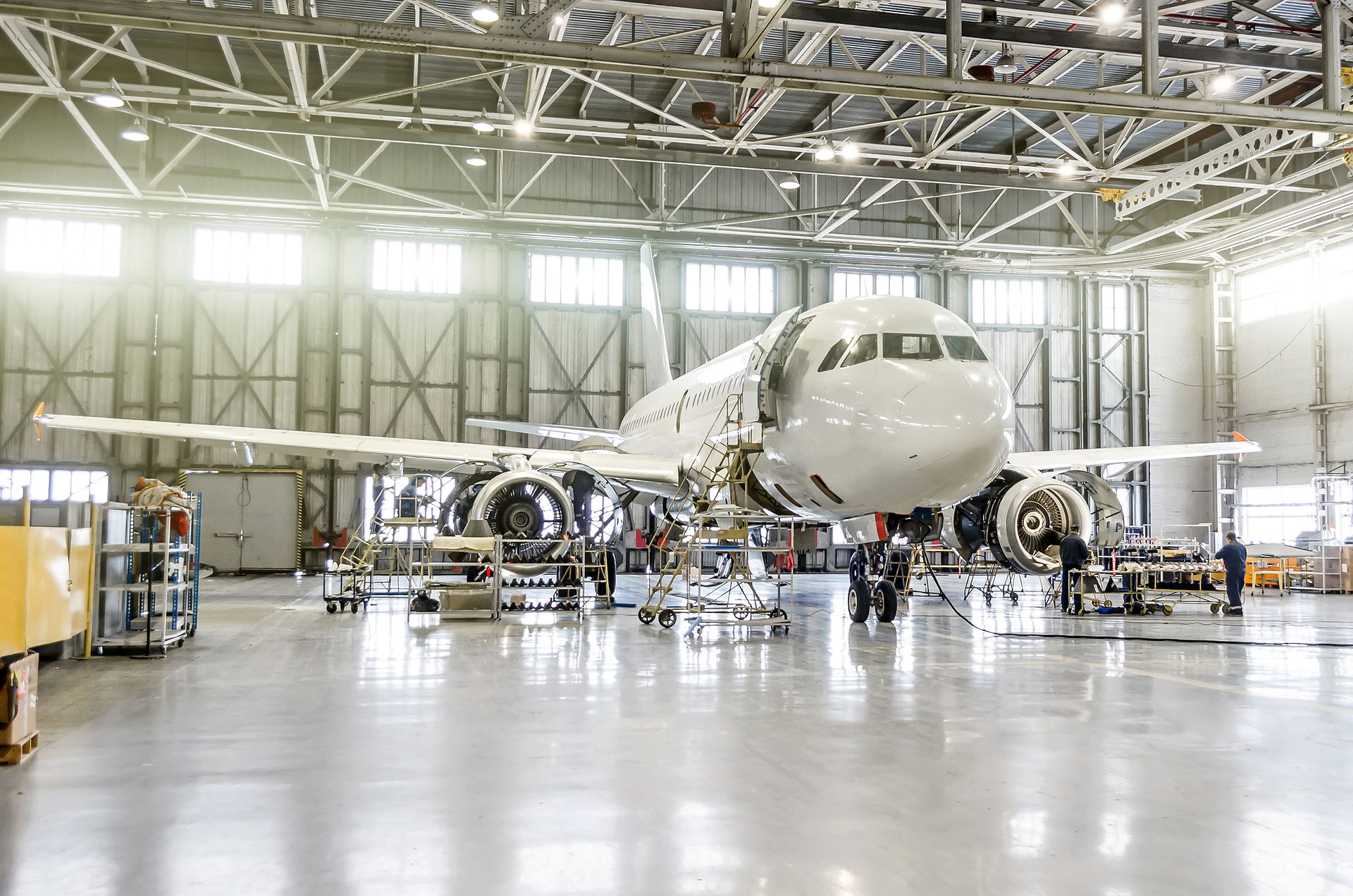

Our 2023 white paper explores these themes in greater depth and outlines what must change to support a more sustainable future for aircraft maintenance and engineering.
Download the full whitepaper The Engineer Skills Shortage: The Risk to Aviation’s Future


